Marrakech is famous for Jemaa el-Fna, the souks, Koutoubia Mosque, Bahia Palace, and Majorelle Garden, but there is another side of the Red City that many first-time visitors miss. If you are looking for hidden gems in Marrakech, you can find quiet courtyards, historic fountains, lesser-visited museums, traditional neighborhoods, artisan workshops, and peaceful gardens just a few streets away from the busiest attractions.
This guide highlights some of the best lesser-known places to visit in Marrakech, with practical tips on when to go, how to explore them, and what makes each one worth your time. Some are tucked inside the Medina, while others are in the Mellah, Gueliz, or just outside the city.
1. Dar El Bacha Museum
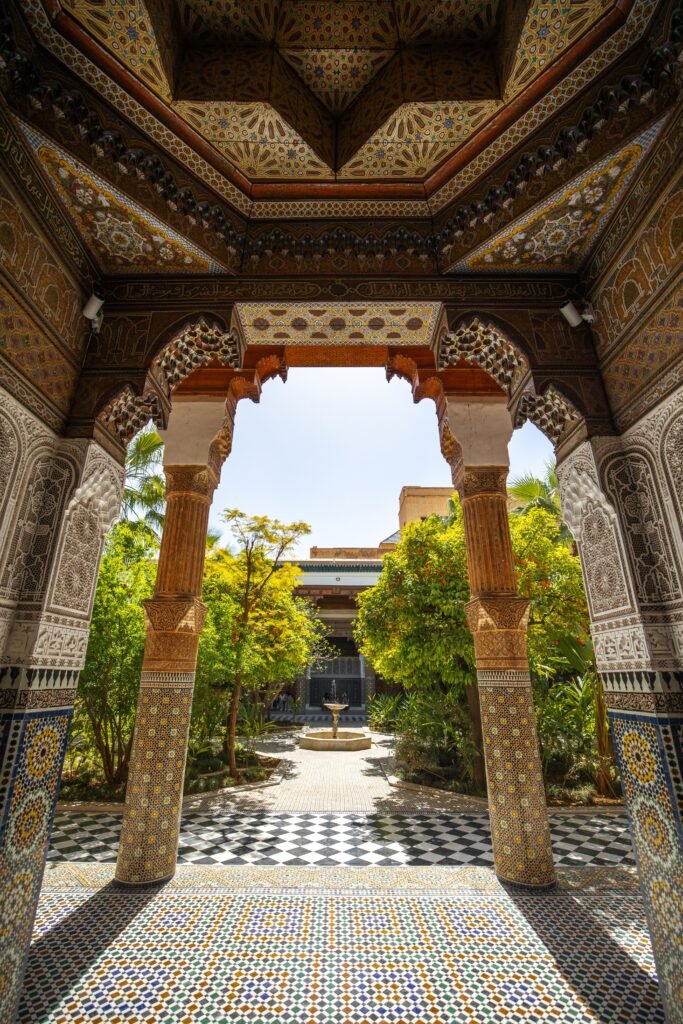
Dar El Bacha, also known as the Museum of Confluences, is one of the most rewarding places to visit when you want to experience Marrakech beyond the main tourist circuit.
The palace itself is part of the attraction. Built in the early 20th century, it features traditional Moroccan architecture, carved cedarwood, zellige tilework, painted ceilings, and elegant courtyards. The museum’s exhibitions explore Moroccan culture and connections between different civilizations.
The building is particularly interesting because the experience is not limited to looking at objects in display cases. The architecture gives you a better understanding of how wealthy Moroccan households and palaces were designed around courtyards, shade, water, and privacy.
Practical tip
Allow around one to two hours for a visit, especially if you enjoy architecture and photography. Go earlier in the day if you want a calmer atmosphere. Because museum exhibitions and opening arrangements can change, check current information before visiting.
Dar El Bacha is located in the Medina, so it is easy to combine with a walking route through the souks and nearby historic streets.
2. The Mellah: Marrakech’s Historic Jewish Quarter
For travelers interested in history, the Mellah is one of the most fascinating areas to explore in Marrakech.
Located south of the central Medina, the Mellah was historically home to a large Jewish community. Its streets have a noticeably different character from some of the busier souk areas. Look closely at the architecture and you will find balconies, old residential buildings, small shops, and traces of a neighborhood shaped by centuries of Moroccan Jewish history.
The area is also close to several important sites, including the Bahia Palace and the Jewish cemetery.
Instead of rushing through the Mellah on the way to another attraction, spend some time walking its smaller streets. This is one of the best ways to understand how different communities contributed to the cultural identity of Marrakech.
What to look for
- Traditional residential architecture
- Small local shops and food stalls
- The historic Jewish cemetery
- The Lazama Synagogue
- The Mellah market
- Views toward the southern Medina and palace district
The neighborhood is best explored respectfully and at a relaxed pace. Remember that this is still a living residential area, not an open-air museum.
3. Lazama Synagogue
Inside the Mellah, the Lazama Synagogue offers another perspective on Marrakech’s history.
It is one of the historic synagogues associated with the city’s former Jewish community. Its courtyard and traditional architecture make it an interesting stop for travelers who want to learn about Morocco’s Jewish heritage alongside the better-known Islamic and royal monuments.
The visit is relatively short, making it easy to include with the Mellah, Bahia Palace, and the Jewish cemetery.
Travel advice
Dress respectfully and keep in mind that religious sites have their own customs and access arrangements. Opening hours can vary, so confirm availability locally rather than planning your entire itinerary around a specific entry time.
4. Maison de la Photographie
Maison de la Photographie is not completely unknown, but it is still less prominent than Marrakech’s biggest attractions and deserves a place on a cultural itinerary.
The museum brings together historical photographs and visual material documenting Morocco, including traditional clothing, landscapes, villages, architecture, and everyday life.
For visitors who want to see what Morocco looked like before modern tourism transformed many parts of the country, this collection provides useful context.
The building itself is also worth exploring. Its traditional design and rooftop terrace add to the experience, and the terrace can provide beautiful views over the Medina and toward the Atlas Mountains when visibility is good.
Best time to visit
Late morning or afternoon can work well, depending on the season. If the sky is clear, try to reach the rooftop around a time when the light is good for photography.
Allow at least an hour for the museum rather than treating it as a quick photo stop.
5. The Mouassine Fountain and Neighborhood
One of the easiest ways to discover hidden corners of Marrakech is to slow down inside the Medina.
The Mouassine neighborhood is a good place to do exactly that. It is known for its historic architecture, traditional riads, artisan workshops, and the Mouassine Fountain, an example of the importance of public water infrastructure in old Moroccan cities.
The fountain may not have the visual impact of a major palace, but it tells an important story. In a historic city built around narrow lanes and dense residential quarters, public fountains were essential parts of everyday life.
Walk through the surrounding streets and pay attention to details rather than looking only for major monuments. Doorways, wooden balconies, carved plaster, old signs, small workshops, and hidden courtyards often reveal more about traditional Marrakech than a hurried checklist of attractions.
A good way to explore
Start near the central souks and move gradually toward Mouassine. Keep your phone map available, but don’t worry about following a perfectly straight route. The Medina is best experienced on foot, and getting slightly lost is often part of the experience.
6. Bab Debbagh and the Northern Medina
Most visitors concentrate around the central souks and Jemaa el-Fna, while the northern edges of the Medina receive less attention.
Bab Debbagh is one area worth exploring if you want to see a different side of historic Marrakech. The neighborhood is associated with traditional crafts and the city’s old tannery district.
The walk can feel considerably more local than the central tourist streets. You may encounter workshops, craftsmen, residential lanes, and everyday scenes that are easy to miss when following a standard sightseeing route.
This is particularly interesting for travelers fascinated by Moroccan craftsmanship.
Important practical advice
The northern Medina is less straightforward to navigate than the main tourist routes. If you want historical context or prefer not to worry about directions, consider exploring with a knowledgeable local guide.
Be cautious of unsolicited offers from people claiming that a particular attraction is closed or insisting on taking you somewhere. If you need directions, ask your accommodation or your official guide.
7. Dar Si Said Museum and the Southern Medina
Dar Si Said is another excellent choice for travelers who enjoy Moroccan art and craftsmanship.
The museum is housed in a historic palace and focuses on traditional Moroccan arts, including woodwork, textiles, jewelry, carpets, and decorative objects.
What makes it particularly valuable is the combination of collections and architecture. You can appreciate the craftsmanship of the objects while also seeing the decorative details of a traditional Moroccan palace.
Its location in the southern Medina makes it easy to combine with the Mellah and Bahia Palace.
If you are interested in Moroccan design, this is a better use of your time than simply moving between the city’s most photographed landmarks.
8. The Agdal Gardens
The Agdal Gardens are a useful alternative for travelers who want open space and a break from the intensity of the Medina.
Located south of the historic center, these historic gardens are associated with Marrakech’s royal landscape and are known for their orchards, olive trees, pools, and extensive grounds.
The experience is very different from walking through the narrow lanes of the Medina. The scale is larger, the atmosphere can be quieter, and the gardens offer a chance to appreciate the relationship between Marrakech and water management.
Access and opening arrangements can vary, so check locally before making a dedicated trip.
When to go
The cooler parts of the day are usually more comfortable, particularly during warmer months. Bring water, comfortable walking shoes, sun protection, and a hat.
9. Gueliz’s Independent Art and Design Scene
Hidden gems in Marrakech are not limited to the old city.
Gueliz, the modern district west of the Medina, offers a completely different side of Marrakech. Its broad streets, cafes, contemporary architecture, boutiques, galleries, and design shops show how the city has developed beyond its historic walls.
Instead of looking for one specific attraction, spend a few hours exploring the neighborhood.
You may discover Moroccan contemporary art, modern interpretations of traditional design, independent fashion labels, concept stores, and cafes where locals and long-term residents spend time.
Gueliz is especially worthwhile for repeat visitors who have already explored the main monuments.
A useful strategy
Visit during the daytime and combine your walk with lunch or coffee. Unlike the Medina, Gueliz is easier to navigate and has a more modern urban layout.
10. The Secret Garden — If You Go at the Right Time
Le Jardin Secret is now well known among visitors, so it may not qualify as a truly hidden attraction. However, it is still worth including if your idea of a hidden gem is a peaceful place tucked away behind the busy Medina.
The garden combines traditional Moroccan garden design with architecture, water channels, shaded areas, and plants. Its biggest advantage is the contrast between the quiet interior and the busy streets outside.
If you have already visited the major palaces and want somewhere to slow down, it is a worthwhile stop.
Avoid the busiest periods
The garden can become busy during the middle of the day. Arriving earlier can make it easier to appreciate the architecture and greenery without large groups moving through the courtyards.
11. Sidi Bel Abbès and the Less-Touristy Medina
Sidi Bel Abbès is an area many short-stay visitors pass without exploring.
The neighborhood developed around the shrine of Sidi Bel Abbès, one of Marrakech’s seven saints. It gives visitors an opportunity to see parts of the Medina that are less centered around tourism.
The surrounding streets can offer a more everyday view of Marrakech, with neighborhood shops, residential buildings, small food businesses, and local activity.
This is the kind of place where a guide can add considerable value. Rather than simply pointing out buildings, a local guide can explain the significance of the neighborhood, its religious traditions, and how the Medina developed.
12. Anima Garden: A Peaceful Escape Outside Marrakech
For travelers with extra time, Anima Garden offers something completely different from the traditional Medina experience.
Located outside central Marrakech toward the Ourika area, the garden combines plants, sculptures, paths, and artistic installations in a large landscaped setting.
It is not a quick Medina stop, so allow enough time for transportation and exploration. The setting works particularly well for travelers who enjoy photography, gardens, art, and quieter experiences.
If you are staying in Marrakech for several days, this can be a refreshing change of pace after spending time in the crowded old city.
13. Agafay Desert for a Different Kind of Marrakech Escape
Not every hidden gem needs to be inside the city itself.
The Agafay Desert, located outside Marrakech, is a rocky desert landscape rather than a classic Sahara sand-dune environment. Its proximity to Marrakech makes it a practical option for travelers who want a desert-style experience without committing to a multi-day journey to Merzouga.
You can spend a day exploring the landscape, enjoying a traditional meal, riding a camel, or simply watching the changing colors of the hills and distant Atlas Mountains.
For travelers interested in this type of experience, our Agafay Day Trip from Marrakech is designed as a full-day excursion with transportation, a professional driver-guide, and optional activities.
14. The High Atlas Villages Near Marrakech
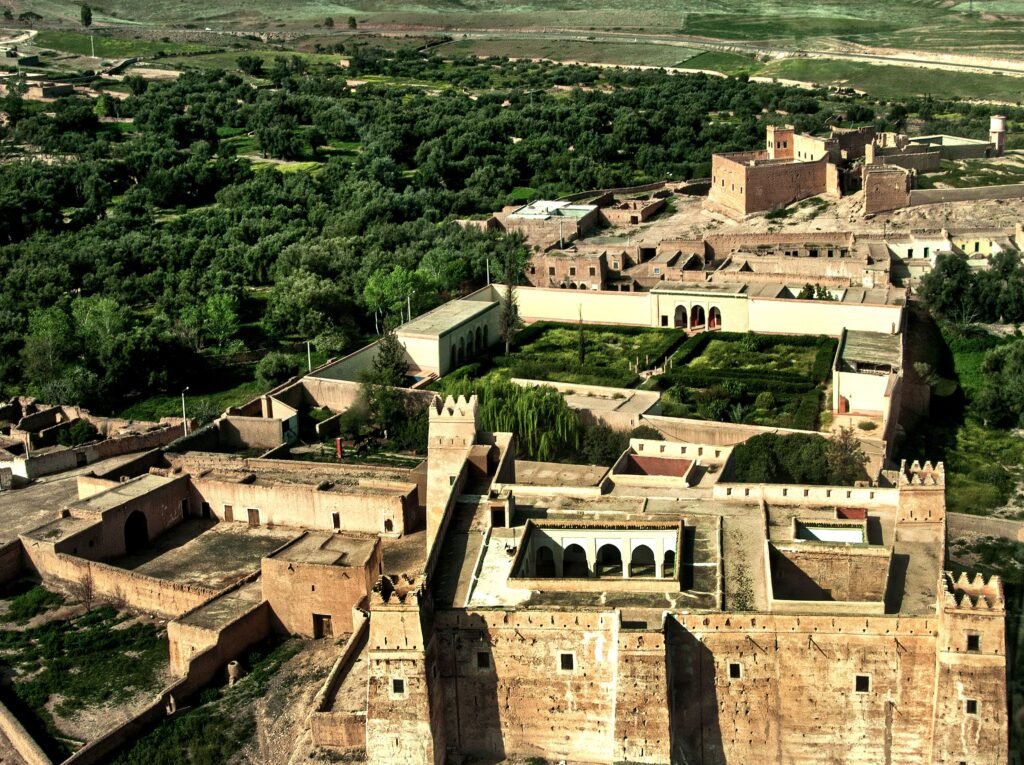
Another excellent way to escape the standard Marrakech sightseeing route is to head toward the High Atlas Mountains.
Within a relatively short journey from the city, the landscape changes dramatically. Red earth, mountain valleys, terraced fields, and traditional Amazigh villages create a very different environment from the Medina.
The experience is especially rewarding for travelers who want to combine Marrakech with walking, mountain scenery, and rural Morocco.
Morocco Best Tour offers a High Atlas Mountains day trip from Marrakech among its Marrakech excursions, making it possible to add a mountain experience without changing hotels. The company’s Marrakech tour selection also includes longer private itineraries for travelers who want to combine the city with the Atlas Mountains and Sahara.
How to Find Hidden Places in Marrakech Without Wasting Time
Seeing lesser-known Marrakech is not simply about collecting a longer list of attractions. It is about planning your days differently.
Start early
The Medina is generally more enjoyable in the morning, before the streets become crowded and the heat increases. Early starts are particularly useful for photography and for travelers who want a calmer experience.
Group attractions by neighborhood
Marrakech can look compact on a map, but walking through the Medina takes longer than expected. Group nearby attractions together rather than crossing the city repeatedly.
For example:
Morning: Mouassine → souks → Maison de la Photographie → northern Medina
Afternoon: Mellah → Jewish heritage sites → Dar Si Said → Bahia Palace area
Another day: Gueliz → contemporary galleries → cafes → modern Marrakech
This approach saves time and gives you more opportunities to explore spontaneously.
Wear practical shoes
Many hidden corners are reached on foot. Medina streets can be uneven, narrow, and crowded, while gardens and outdoor attractions involve additional walking.
Comfortable shoes are far more useful than fashionable footwear.
Carry small cash
Small purchases, snacks, local services, and some entry points may require cash. Keep smaller Moroccan dirham notes available rather than relying entirely on cards.
Dress respectfully
Marrakech is a tourist-friendly city, but it is still important to dress respectfully, particularly when visiting religious or residential areas. Lightweight clothing that covers the shoulders and knees is a practical choice for many travelers.
Use a guide when the history matters
You can explore many parts of Marrakech independently, but a good local guide can make lesser-known neighborhoods much more meaningful.
This is particularly useful in the Mellah, northern Medina, and historic religious quarters, where the significance of buildings and streets is not always obvious.
How Many Days Do You Need to Discover Marrakech’s Hidden Gems?
For a first visit, three days in Marrakech gives you enough time to see the major sights while leaving some room for lesser-known places.
One day can focus on the central Medina and its historic architecture. A second can cover the Mellah, southern Medina, museums, and gardens. The third can be used for Gueliz or a day trip outside the city.
If you want to combine Marrakech with the Atlas Mountains and Sahara Desert, a longer itinerary makes much more sense.
Morocco Best Tour’s 3 Days From Marrakech tour is designed for travelers who want to continue from Marrakech toward the desert, while the company’s Marrakech tour collection includes several itineraries ranging from shorter desert trips to longer Morocco journeys.
For a much longer Morocco experience, the 12 Days From Marrakech itinerary includes time in Marrakech alongside the High Atlas, Ait Ben Haddou, Ouarzazate, Merzouga, Fes, and other destinations.
Best Time to Explore Marrakech’s Hidden Gems
Spring and autumn are generally among the most comfortable seasons for walking around Marrakech because daytime temperatures are often easier to manage than during the peak summer heat.
Winter can also be pleasant during the day, although mornings and evenings may feel cool.
Summer requires more planning. If you visit during the hottest months, schedule outdoor walking for the morning or late afternoon and take a break during the hottest part of the day.
Regardless of season, bring water and sun protection. Marrakech receives strong sunshine, and walking several hours through the Medina can be tiring even when the temperature does not initially feel extreme.
Hidden Gems in Marrakech: What Should You Prioritize?
If you only have limited time, choose attractions according to your interests.
For history: Mellah, Lazama Synagogue, Dar Si Said, Dar El Bacha, and the northern Medina.
For architecture: Dar El Bacha, Dar Si Said, Mouassine, and traditional riads.
For photography: Maison de la Photographie, Mouassine, the Medina’s smaller lanes, and Gueliz.
For gardens and relaxation: Agdal Gardens, Le Jardin Secret, and Anima Garden.
For a day outside Marrakech: Agafay or the High Atlas Mountains.
The best itinerary is not necessarily the one with the most attractions. A slower route that combines a few meaningful places with time for a meal, coffee, shopping, or simply wandering can give you a much better sense of the city.
Frequently Asked Questions About Hidden Gems in Marrakech
What are the best hidden gems in Marrakech for first-time visitors?
For a first visit, start with Dar El Bacha, the Mellah, Maison de la Photographie, Mouassine, and Dar Si Said. These places offer history and culture without requiring you to completely leave the main Medina area.
Is Marrakech safe for exploring less-touristy areas?
Many visitors explore Marrakech independently without problems, but normal travel precautions are important. Keep valuables secure, be aware of your surroundings, and avoid following unsolicited guides. In unfamiliar parts of the Medina, a reputable local guide can make navigation easier.
Can I explore Marrakech’s hidden gems without a guide?
Yes. Many museums, gardens, neighborhoods, and historic areas can be visited independently. However, a guide is particularly useful when you want historical or cultural context, especially in the Mellah and less familiar parts of the Medina.
How many days should I spend in Marrakech?
Three days is a good starting point for combining major attractions with lesser-known places. If you also want to explore the Atlas Mountains, Agafay, or continue to the Sahara, plan a longer Morocco itinerary.
What is the best way to get around Marrakech?
The Medina is best explored on foot because many streets are narrow or pedestrian-focused. For attractions outside the Medina, taxis, private transfers, or organized day trips can be more practical.
Are there hidden gems outside Marrakech worth visiting?
Absolutely. The High Atlas Mountains and Agafay Desert are two of the easiest additions to a Marrakech stay. They provide landscapes and experiences that are very different from the historic city center.
What should I avoid when exploring Marrakech?
Avoid rushing through the Medina, accepting unsolicited directions without checking the destination, and assuming that every quiet street is a tourist attraction. Respect residential areas, ask before photographing people, and verify opening times for museums and historic sites before visiting.
The best hidden gems in Marrakech are often found by slowing down: explore the Mellah, step inside historic palaces and museums, wander the quieter Medina neighborhoods, discover Gueliz, or escape the city for the Atlas Mountains and Agafay. If you want to combine these experiences with carefully planned desert or mountain travel, explore Morocco Best Tour’s Marrakech itineraries and contact the local team to create a personalized Moroccan journey that fits your time and interests.