If you are wondering is Al Hoceima worth visiting, the short answer is yes—especially if you want beautiful Mediterranean beaches, dramatic Rif Mountain scenery, clear turquoise water, and a more relaxed side of Morocco. Al Hoceima is less focused on major monuments and bustling medinas than cities such as Marrakech or Fes, but that is precisely its appeal.
This guide explains what makes Al Hoceima special, the best beaches and places to see, things to do, when to visit, how many days to spend, how to get there, and what kind of traveler will enjoy it most. You will also find practical tips for planning Al Hoceima as part of a wider Morocco itinerary.
Why Is Al Hoceima Worth Visiting?
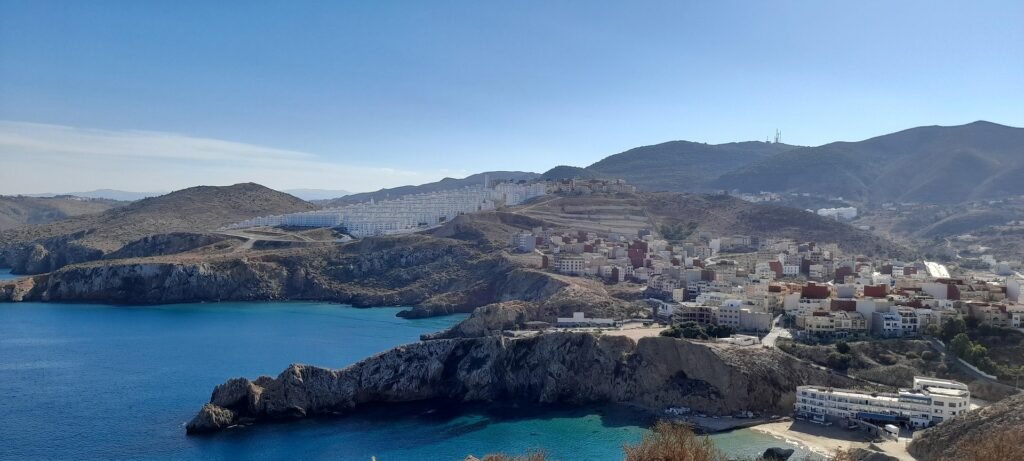
Al Hoceima is worth visiting because it offers a combination that is difficult to find elsewhere in Morocco: Mediterranean beaches backed by rugged Rif mountains, attractive coastal viewpoints, fishing activity, outdoor experiences, and access to the protected landscapes of Al Hoceima National Park.
The Moroccan National Tourist Office highlights the city for its Mediterranean bay, beaches, port, coastal scenery, and nearby natural attractions. Popular places include Al Hoceima National Park, Cala Bonita Beach, Sfiha Beach, the port, and the Miramar area.
It is also a good choice if you prefer destinations where you can slow down. You can spend the morning swimming, have a seafood lunch, walk along the coast in the afternoon, and finish the day watching the sunset from a viewpoint.
Al Hoceima is not necessarily the best choice for someone looking for Morocco’s biggest concentration of historic monuments, museums, and traditional souks. For that, Fes, Marrakech, Meknes, and Rabat are stronger choices. But for a Mediterranean escape combined with mountain scenery and outdoor activities, Al Hoceima is one of northern Morocco’s most interesting destinations.
What Makes Al Hoceima Special?
The Mediterranean coastline
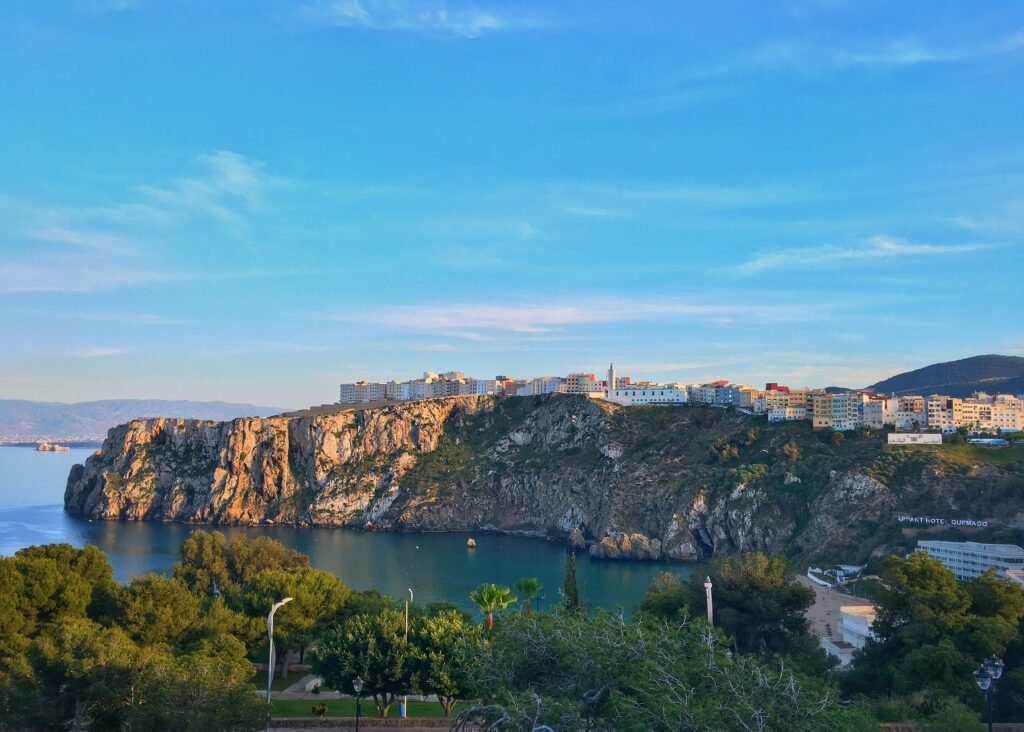
The biggest reason to visit is the coast. Al Hoceima sits above a beautiful Mediterranean bay, with beaches and coves extending along the surrounding coastline.
The city’s setting is particularly attractive because the sea is not separated from the mountains. The Rif landscape rises behind the coastline, creating views that are very different from Morocco’s Atlantic beach towns.
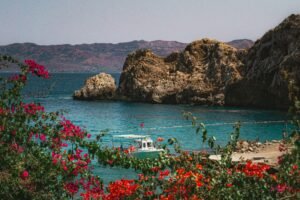
The area is known for clear blue and turquoise waters and a selection of beaches ranging from urban beaches to quieter coastal spots. The official Moroccan tourism office specifically highlights Quemado, Cala Bonita, Asfiha, Espalmadero, Tala Youssef, Bades, and Armoud among the beaches around Al Hoceima.
The Rif Mountain setting
Al Hoceima is not simply a beach resort. The surrounding Rif mountains give the destination much of its character.
The mountains of the Bokkoyas and the coastal cliffs create opportunities for hiking, photography, scenic drives, and exploring small communities outside the city. The official tourism information describes Al Hoceima National Park as a rugged natural area shaped by cliffs, mountains, Mediterranean coastline, and walking routes.
This combination makes Al Hoceima particularly appealing to travelers who want more than lying on the beach.
A more relaxed atmosphere
Compared with Morocco’s major tourist cities, Al Hoceima generally feels more focused on coastal life. In summer, the city becomes considerably busier, particularly when Moroccan families and visitors arrive for beach holidays.
Outside the busiest summer periods, however, you can enjoy a quieter experience. Cafés, restaurants, the port, viewpoints, and beaches become part of a slower travel rhythm.
For travelers who have already visited Marrakech or Fes and want to see another side of Morocco, Al Hoceima can be a refreshing addition.
Best Things to Do in Al Hoceima
1. Relax at Quemado Beach
Quemado Beach is one of the best-known beaches in Al Hoceima and is particularly convenient because it is close to the city.
It sits below the town and offers an attractive combination of sand, Mediterranean water, and steep coastal scenery. It is a good option if you want a beach day without traveling far from your accommodation.
Visit in the morning if you want a quieter atmosphere and better conditions for a relaxed swim. During peak summer, expect more people later in the day.
2. Visit Cala Bonita Beach
Cala Bonita is another popular coastal spot and is especially attractive for travelers who prefer smaller bays and clear water.
It is located close enough to Al Hoceima to combine with other sightseeing, making it a useful stop during a coastal day.
If you are interested in swimming, snorkeling, or simply photographing the coastline, Cala Bonita is worth adding to your itinerary.
3. Discover Al Hoceima National Park
For nature lovers, Al Hoceima National Park is one of the strongest reasons to travel to the region.
The protected area includes both coastal and mountainous landscapes, with dramatic cliffs and relatively wild sections of Mediterranean coastline. The Moroccan tourism office describes walking routes through the park and emphasizes its diverse natural environment.
Do not treat the national park like a quick city attraction. Plan enough time to explore responsibly, and check local conditions before setting out on longer walks.
A local guide can also be useful if your goal is to explore less accessible areas rather than simply visit viewpoints.
4. Walk around the port
Al Hoceima’s port is worth visiting for a different perspective on the city.
Instead of coming only for beaches, spend some time watching fishing boats and seeing local coastal activity. The official tourism office recommends the port as one of the city’s attractions and notes the activity around its waterfront.
It is also a good place to slow down after a day of sightseeing.
5. Enjoy the Moro Viejo viewpoint
For panoramic views, head toward the Moro Viejo area and its coastal viewpoints.
The elevated position gives you a broader view across the bay and surrounding landscape. It is particularly attractive around sunset, when the changing light emphasizes the contrast between the blue Mediterranean and the rocky coastline.
Bring your camera, but also give yourself time simply to enjoy the view.
6. Explore the coastal villages and beaches
One of the best ways to experience the region is to go beyond the city itself.
The coastline around Al Hoceima includes smaller beaches and villages where the pace of life can feel very different from Morocco’s major tourist centers. Places such as Bades, Tala Youssef, and other coastal beaches can be incorporated into a day of exploring.
The Moroccan National Tourist Office also points travelers toward Torres de Alcala, where historic watchtowers stand near the coast.
For this type of excursion, a private vehicle or organized trip can make the day much easier, particularly if you want to combine several remote locations.
7. Try water and outdoor activities
Al Hoceima is a natural choice for travelers interested in swimming, diving, snorkeling, hiking, and other outdoor activities.
The city’s tourism profile specifically promotes diving and nature experiences, while the surrounding coastline provides numerous opportunities to spend time on or near the water.
If you plan to dive or participate in a water activity, choose an established local operator and confirm current sea conditions before going out.
Which Beaches Near Al Hoceima Should You Visit?
You do not need to visit every beach to enjoy the region. Instead, choose beaches according to the type of day you want.
Quemado Beach is convenient for travelers staying in the city and is one of the easiest places for a classic Al Hoceima beach day.
Cala Bonita is a good choice for a smaller coastal setting and clear water.
Sfiha Beach is another well-known beach in the region and appears among the Moroccan tourism office’s recommended places around Al Hoceima.
Tala Youssef is worth considering if you want mountain scenery close to the sea.
Bades offers another beautiful coastal setting and is particularly interesting if you are exploring beyond the center.
The important thing to remember is that beach conditions, facilities, crowds, and accessibility can vary. In remote areas, do not assume that you will find the same restaurants, changing facilities, shops, or services available in the city.
How Many Days Do You Need in Al Hoceima?
For most travelers, 2 to 3 days in Al Hoceima is a good amount of time.
One day
One day works if you are passing through. You can visit a beach, explore the port, enjoy a viewpoint, and have dinner overlooking the Mediterranean.
However, a single day limits your opportunity to explore the surrounding coastline and national park.
Two days
Two days is a better option.
Day 1: Explore the city, visit the port, relax at Quemado or Cala Bonita, and watch sunset from a coastal viewpoint.
Day 2: Spend the day exploring beaches and natural areas around Al Hoceima, with time for hiking, swimming, photography, or a coastal excursion.
Three days
Three days is ideal if you prefer a slower holiday.
You can dedicate one day to the city and nearby beaches, another to Al Hoceima National Park and coastal scenery, and a third to a longer excursion along the Mediterranean coast.
This is also a good length of stay for couples, families, and travelers who do not want to change hotels every night.
When Is the Best Time to Visit Al Hoceima?
The best time depends on what you want to do.
Summer: best for beach holidays
June through August is the obvious choice if your priority is swimming, sun, and Mediterranean beach time.
The downside is that summer is also the busiest period. Beaches and accommodation can become much more crowded, and prices may be higher than during quieter periods.
If you travel in July or August, booking accommodation ahead of time is sensible.
Spring: best for nature and hiking
Spring can be excellent for travelers interested in scenery and outdoor activities.
The surrounding landscapes can be greener, temperatures are generally more comfortable for walking, and the coast is less dominated by peak-season beach tourism. The official tourism office notes that the landscapes of Al Hoceima’s natural areas are particularly green in spring.
Early autumn: a strong all-round option
September and early October can offer a good balance between warm weather and fewer crowds than the height of summer.
For many travelers, this is one of the most comfortable periods for combining beach time with sightseeing and excursions.
How to Get to Al Hoceima
Al Hoceima is in northern Morocco on the Mediterranean coast, so its location should be considered when planning your itinerary.
The city has Cherif Al Idrissi Airport, but flight availability can vary by season and departure city. Always check current schedules before building an itinerary around a particular flight.
Traveling by road is another practical option, especially if you are already exploring northern Morocco.
According to the Moroccan National Tourist Office, Al Hoceima is approximately 290 km from Tangier and about 237 km from Chefchaouen by the listed road routes, making it possible to combine the city with other northern destinations if you have sufficient time.
If you are starting in Tangier, Morocco Best Tour’s 7 Days From Tangier tour provides a broader northern-and-southern Morocco itinerary through destinations including Chefchaouen, Fes, the Sahara, and Marrakech.
For a longer Moroccan journey, the 12 Days From Tangier itinerary also covers Chefchaouen, Fes, Merzouga, Marrakech, Essaouira, Rabat, and Asilah.
If Al Hoceima is a priority, it is worth discussing your preferred route with a local tour company rather than trying to squeeze the destination into an already crowded itinerary.
Is Al Hoceima Good for Families?
Yes. Al Hoceima can be an excellent family destination, particularly for families who enjoy beaches and outdoor activities.
The Mediterranean setting means that children have plenty of opportunities for swimming and beach time, while parents can combine relaxation with scenic drives and short excursions.
However, remember that some beaches and coastal areas are surrounded by steep terrain. Families with young children should pay attention to access points, cliffs, waves, and local swimming conditions.
For a family trip, staying somewhere convenient to restaurants, shops, and the main beach areas can make the experience much easier than choosing very remote accommodation.
Is Al Hoceima Good for Couples?
Al Hoceima is particularly attractive for couples looking for a relaxed Mediterranean break.
Sunset viewpoints, quiet coastal walks, seafood restaurants, small beaches, and scenic drives create plenty of opportunities for a romantic itinerary without requiring a packed sightseeing schedule.
It can also work well as part of a longer private Morocco tour. If you want to combine northern Morocco with the Sahara, a customized route can be more comfortable than relying on standard point-to-point transportation.
Is Al Hoceima Expensive?
Al Hoceima can be relatively manageable for travelers who plan carefully, although prices vary significantly depending on the season and accommodation standard.
Your main expenses will usually be:
- Accommodation
- Transport to and around the region
- Restaurants and cafés
- Beach and water activities
- Guided excursions
- Entrance fees where applicable
Summer is generally the period when you should expect stronger demand for accommodation.
One advantage of Al Hoceima is that you do not need to fill every hour with paid attractions. Many of the destination’s best experiences—beaches, viewpoints, walks, coastal scenery, and time by the sea—are relatively simple activities.
What Should You Know Before Visiting Al Hoceima?
A little preparation will make your trip much easier.
Book ahead in summer. Accommodation can become much more competitive during the peak beach season.
Bring suitable footwear. Comfortable shoes are useful if you plan to explore rocky coastal areas or hiking routes.
Carry sun protection. The Mediterranean sun can be strong, especially during summer.
Do not rely entirely on public transport for remote beaches. If you want to visit several coastal locations in one day, private transport can save considerable time.
Keep some flexibility in your schedule. Weather and sea conditions can affect swimming and boat-based activities.
Respect protected natural areas. Avoid leaving rubbish, disturbing wildlife, or damaging vegetation.
Plan meals around your route. Outside the city center, restaurant choices can be more limited, especially in quieter coastal areas.
Learn a few useful Arabic or Amazigh phrases. French is also widely useful in Morocco, while English is common in tourism but not universal in smaller communities.
Should You Add Al Hoceima to a Morocco Itinerary?
That depends on the type of Morocco trip you are planning.
If your trip is only four or five days and you want to experience Marrakech, Fes, and the Sahara, adding Al Hoceima may make the itinerary unnecessarily rushed.
But if you have 8 to 15 days, Al Hoceima becomes much easier to include, particularly if you are already planning northern Morocco.
Travelers interested in the Rif region can combine Al Hoceima with destinations such as Tangier, Tetouan, and Chefchaouen before continuing toward Fes and other parts of Morocco.
For travelers starting in Fes, a longer desert itinerary can also be useful. Morocco Best Tour’s 5 Days From Fes desert tour travels through the Middle Atlas, Merzouga, the Sahara, Dades Valley, Ouarzazate, and Ait Ben Haddou before finishing in Marrakech.
The key is not to treat Al Hoceima as another box to tick. Give it enough time to enjoy the coast.
Who Should Visit Al Hoceima?
Al Hoceima is particularly well suited to:
- Beach lovers
- Couples looking for a Mediterranean escape
- Families wanting a relaxed coastal holiday
- Hikers and nature enthusiasts
- Travelers interested in the Rif region
- Photographers
- Visitors who prefer less conventional Moroccan destinations
- Travelers who want to combine mountains and sea
It may be less suitable if your main interests are historic medinas, monumental architecture, nightlife, or shopping. In that case, Marrakech, Fes, or Tangier may deserve more time.
FAQ: Visiting Al Hoceima
Is Al Hoceima worth visiting for tourists?
Yes. Al Hoceima is worth visiting for its Mediterranean beaches, mountain scenery, coastal viewpoints, national park, and relaxed atmosphere. It is especially rewarding for travelers interested in nature and seaside experiences.
How long should I stay in Al Hoceima?
Two to three days is ideal for most visitors. One day is enough for a quick stop, while three days allows time for beaches, the city, natural areas, and a longer coastal excursion.
What is Al Hoceima famous for?
Al Hoceima is best known for its Mediterranean coastline, turquoise waters, beaches, Rif Mountain scenery, fishing port, and Al Hoceima National Park. The Moroccan National Tourist Office describes it as a Mediterranean destination with beaches, nature, and adventure opportunities.
What are the best beaches in Al Hoceima?
Quemado, Cala Bonita, Sfiha, Tala Youssef, Bades, and nearby coastal beaches are among the places worth considering. The best choice depends on whether you prioritize convenience, scenery, swimming, or a quieter setting.
Is Al Hoceima good for a summer holiday?
Yes. Summer is the most popular period for a traditional beach holiday, but it is also the busiest. Book accommodation early if traveling in July or August.
Can I visit Al Hoceima from Tangier?
Yes. Al Hoceima can be reached by road from Tangier and can be combined with other northern Moroccan destinations. The Moroccan National Tourist Office lists the road distance from Tangier at approximately 290 km.
Is Al Hoceima better than Chefchaouen?
They offer very different experiences. Chefchaouen is stronger for its famous blue medina and Rif mountain atmosphere, while Al Hoceima is better for Mediterranean beaches, swimming, coastal scenery, and seaside relaxation. If you have enough time, visiting both gives you a more complete experience of northern Morocco.
Is Al Hoceima good for a honeymoon?
Yes, particularly for couples who enjoy beaches, scenic views, relaxed days, and nature rather than nightlife. A private itinerary can combine Al Hoceima with Chefchaouen, Tangier, Fes, or other Moroccan destinations.
So, is Al Hoceima worth visiting? Absolutely—especially if you want to experience Morocco’s Mediterranean side, with beautiful beaches, clear water, Rif Mountain landscapes, coastal villages, and access to Al Hoceima National Park. Give the destination at least two days if possible, travel outside the busiest summer period for a quieter experience, and consider combining it with northern Morocco rather than rushing through it. If you want help building Al Hoceima into a private Morocco itinerary, contact Morocco Best Tour and let our local team help you plan a route around your travel dates, interests, and preferred pace.